







News
Building a resilient transport network starts with getting the basics right
09th november 26
By Josh Sweeney, Director of Growth & Marketing at Multevo
The Department for Transport’s (DfT) newly published National Transport Resilience Strategy is an important step forward for the UK’s transport sector, recognising the growing pressures facing infrastructure and setting out how the industry can work together to protect the networks we depend on.
It’s a welcome announcement, but its success will depend on turning ambition into action, starting with strengthening our local roads.
The strategy highlights a range of challenges, from ageing infrastructure and extreme weather to supply chain disruption and the growing reliance on interconnected technology. It also acknowledges the important role local highway authorities play in keeping the wider transport network moving.
With 38% of roads in England already located in areas assessed as being at risk from one or more sources of flooding, a figure projected to rise to 46% by the middle of this century, the need to improve the resilience of our highways is clear.
There is a real opportunity for the industry to take a more proactive approach to maintenance, helping prevent problems from developing and ensuring networks are better prepared for disruption.
Getting it right first time
A key part of this is adopting a ‘Fix First Time’ approach, addressing defects effectively to prevent further deterioration, reduce repeat visits and improve network conditions.
This starts with understanding the condition of individual assets and selecting the most appropriate repair or treatment for each situation.
Working closely with material suppliers and remaining open to innovative alternatives can also help ensure the most appropriate, weather-resilient materials are selected for each application.
A more targeted and agile approach to defect repair can help local authorities direct resources where they will have the greatest impact, improve the longevity of repairs and reduce the likelihood of smaller issues developing into more significant problems.
It also makes better use of available maintenance budgets, helping authorities achieve greater value from every intervention.
Flexibility is fundamental to resilience
Extreme weather can place significant pressure on local highways teams, often requiring additional people and equipment at short notice.
From winter maintenance and snow clearance to flooding, storm damage and vegetation management, operational requirements can change considerably throughout the year.
Multi-purpose equipment is undoubtedly an important part of the solution. Specialist vehicles such as Multihog, Unimog and Wille machines can be fitted with a range of attachments to support different activities throughout the seasons. The same machine could be out planing road surfaces one day, fitted with a pump to clear floodwater the next, or equipped for gritting when temperatures drop.
This versatility maximises fleet utilisation, accommodates changing council budgets and priorities, and enables contractors to respond quickly to evolving demands and maintain essential services.
Investing in people as well as equipment
The DfT’s strategy rightly highlights the importance of people within the transport system and the need to develop the knowledge and capabilities of the workforce.
Multi-skilled local teams have a particularly important role to play. With the right training, operatives can take a more proactive approach to maintenance, identifying and addressing additional issues while already working on the network. This also allows teams to support a wider range of activities and provide additional capacity for winter maintenance and storm alleviation during adverse weather.
There is a clear benefit to completing as much work as possible within a single road closure. Making the most of the time, people and equipment already on site helps maximise the value of public spending, reduces repeat visits and minimises disruption for road users.
Investing in local skills and retaining experienced people means authorities have competent teams who understand their networks, equipment and responsibilities, helping them respond effectively when disruption occurs.
Collaboration and innovation will drive progress
Building a more resilient transport network also depends on the industry’s willingness to share knowledge, explore new ideas and find better ways of working.
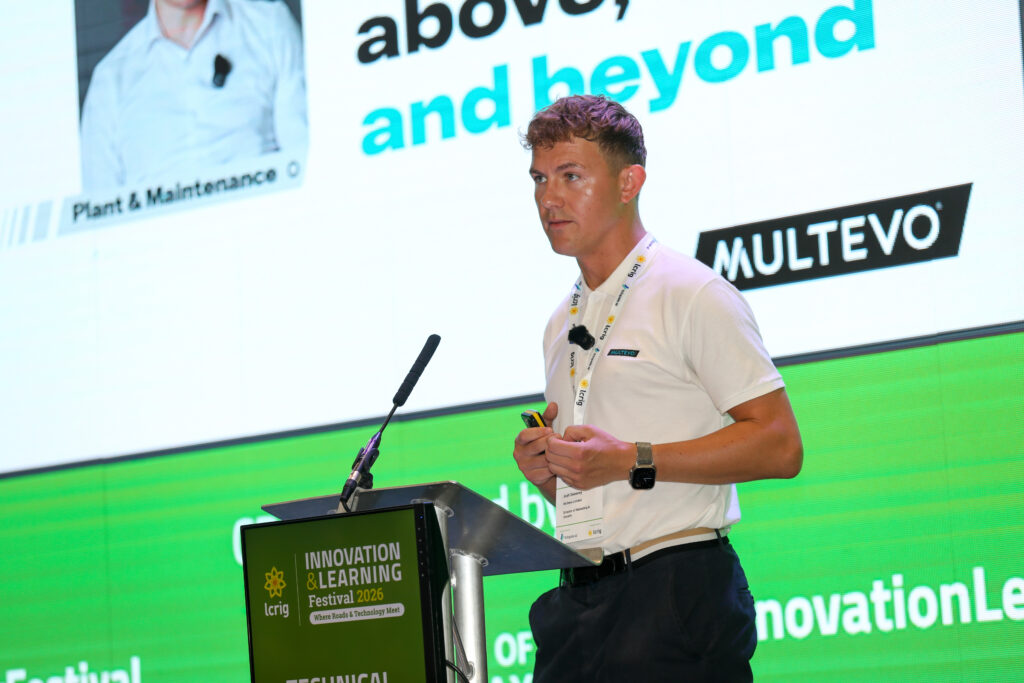
Earlier this year, Multevo hosted a resilience-focused Hackathon at the LCRIG Innovation Festival, bringing people together to discuss the challenges facing local highways and explore how innovation could help address them.
Events like these bring local authorities, contractors, suppliers and technology providers together to share experience, explore different perspectives and turn innovative ideas into practical solutions.
Dedicated funding must underpin the strategy
Financial support to invest in resilience will be essential if highways authorities are to deliver meaningful improvements across their networks.
Dedicated funding would allow authorities to take a longer-term approach, supporting investment in targeted repairs, adaptable equipment, workforce development and the operational capacity needed to respond to extreme weather and other disruptive events.
It would also help authorities plan maintenance more effectively, address vulnerabilities earlier and make informed decisions about where investment will have the greatest long-term benefit.
Ultimately, the DfT has set an important direction for the future of transport resilience. The next step is making sure local authorities and their delivery partners have the resources, skills and equipment to put that vision into practice.
The strategy gives the industry a valuable opportunity to move forward together. With the right investment and commitment, we can turn its ambitions into lasting improvements for the roads and communities that depend on them.
UNRIVALLED EXPERIENCE
Our accreditations
Multevo are able to demonstrate our expertise through professional industry accreditations.


